The Queen of Versailles – When Greed Devours Itself
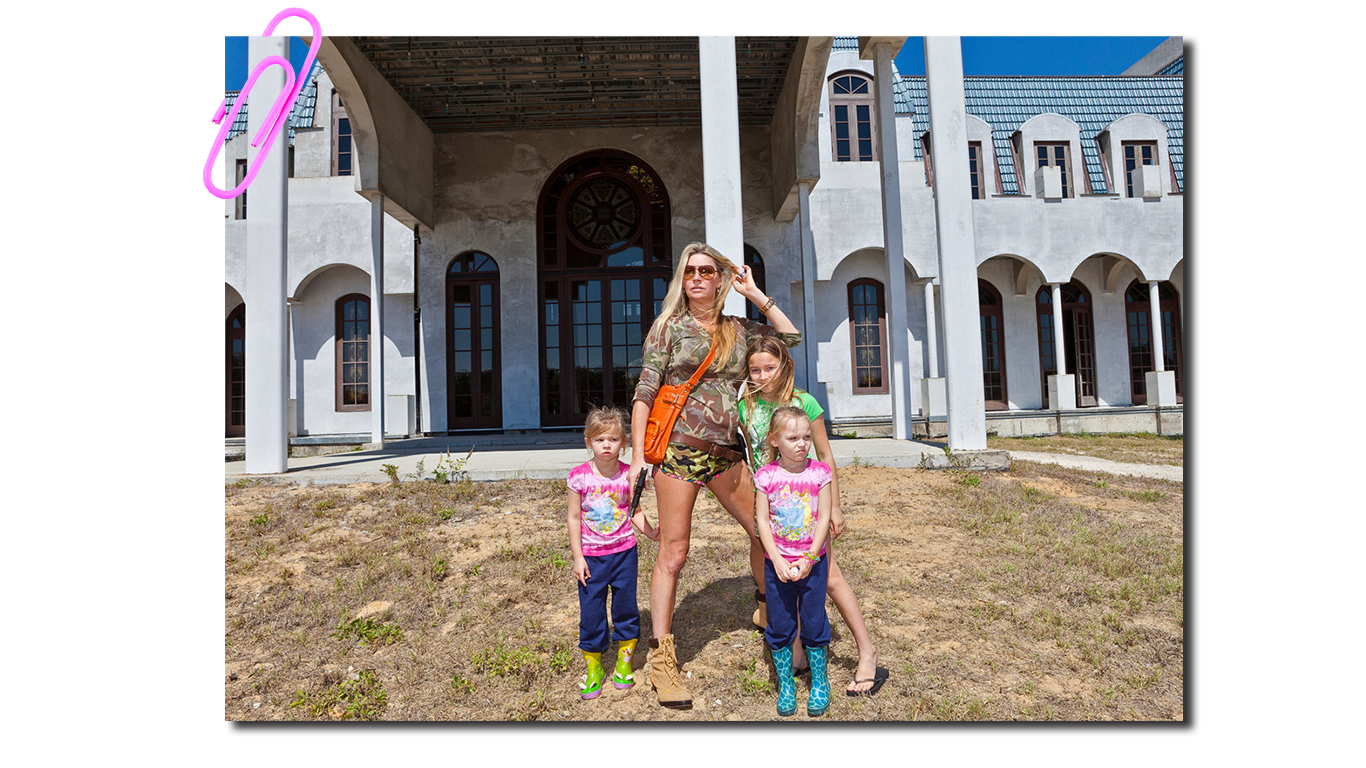
When Lauren Greenfield began filming David and Jackie Siegel in 2007, she fully
intended to document their construction of America’s largest single-family home. The
timeshare moguls had plans to build a 90,000-square-foot property in Orlando, which they
had self-titled “Versailles.” When asked about his reasoning near the film’s start, David lets
the camera know he’s doing this simply because he can. Once the 2008 recession hits, the
story changes, and what follows is an unfiltered and intimate portrait of excess.
It’s been 12 years since the film’s release, and the fascination with the Siegel’s hasn’t
died. The new Broadway adaptation of their story, starring Kristen Chenoweth, sold out in its
opening weeks (The Broadway League, 2025), and I decided to give the 2012 documentary
a rewatch.
David Siegel’s empire, Westgate Resorts, is built on selling people the illusion of
luxury. People buying timeshares aren’t actually purchasing properties. They’re just buying access to a fantasy of luxury property ownership. Siegel himself proudly acknowledges this
rationale when, in one of the documentaries’ most telling lines, he proudly professes:
“Everyone wants to be rich, and if they can’t be rich, the next best thing is to feel rich. If they
don’t want to be rich, well…. they’re probably dead.”
And it’s not just a marketing ploy, it’s his philosophy. That’s what makes The Queen of
Versailles more than just a story of greed, but rather a reflection of capitalism’s biggest
illusion: the feeling that “more” is enough to fill an endless void.
It’s the Siegels’ unwavering dedication to that illusion that makes watching the
deterioration of their 30-bathroom-dream so poetic. In the film’s 1h 43m running time, we
watch a half-complete Versailles transform into a virtual mausoleum as the Siegels are forced
to abandon their plans. What begins as thousands of layoffs at Westgate trickles into the
Siegel’s home, as they go from 19 nannies to four, and their domestic life suffers. Not even
the family’s lizard is spared from the downsizing.
Amid the chaos, the film’s true star, Jackie Siegel, shines like a rhinestone in the
rubble. Even as her empire crumbles, and “Versailles” is eventually put into foreclosure
without her knowledge, she floats through the ruins in Louboutin heels, careful not to step in
any dog waste. It is this denial that allows her to preserve her dream.
The Siegels, like a snake eating its own tail, are the ourobouros of greed. Their
appetite is insatiable. But what may appear at first to be spiral of self-destruction, bound for
ruin is, in truth, an endless cycle. Despite the devastation, the Siegels remain addicted to
excess. It’s best captured when in an effort to cut costs, Jackie shops at Walmart, but still fills
more than seven carts with identical toys and nonessentials.
True to Siegel form, after the film’s release, the Siegels eventually reacquired
ownership of “Versailles.” Picking up right where they left off, a recent visit to Jackie’s
Instagram reveals that construction continues today.